
Definition: A cell is the smallest unit of life. All living things contain one or more cells.
Pronunciation: selz (rhymes with “bells”)
Origin: The word “cell” comes from the Latin word “cellula.” Cellula means “small room.”
Introduction
What Are Cells?
Have you ever wondered what makes you alive? Your body contains trillions of tiny parts called cells. These tiny parts work together every second. Cells also fill every plant, animal, and bug on Earth. Scientists call cells the building blocks of life. Without cells, no living thing exists. Therefore, learning about cells and their types helps you understand life itself. Moreover, cells come in many types. Each type performs a special job. For example, some cells help you see. Other cells help plants make food. In this article, you will discover what cells are. The article also explores different cell types. Moreover, you will see why cells matter in your daily life. So let’s explore the amazing world of cells together!
A cell is the smallest unit of life. Your eyes alone miss most cells. You need a microscope to see them. Every living thing contains at least one cell. Some living things contain only one cell. Scientists call these single-celled organisms. Other living things contain many cells. Scientists call these multicellular organisms. For example, bacteria contain one cell. Humans contain trillions of cells.
Simple Explanation of Cells
Think of a cell like a tiny factory. It runs day and night. The cell factory builds materials. The factory also breaks down food. Moreover, the cell removes waste. Each cell contains smaller parts. Scientists name these pieces organelles. Organelles perform special jobs inside the cell. For example, the nucleus acts like the boss. It tells the cell what to do. The mitochondria act like power plants. They make energy for the cell. The cell membrane acts like a fence. It keeps the cell safe. Therefore, every part works together. This teamwork keeps the cell alive.
Key Features of Cells
Cells share several important traits. First, every cell contains genetic material. This substance holds instructions for the cell.
Second, every cell holds cytoplasm. This gel acts like jelly. It fills the inside of the cell.
Third, every cell contains a cell membrane. This layer wraps around the cell. It controls what enters and exits.
Fourth, cells grow and develop. They also reproduce and make new cells.
Moreover, cells respond to changes around them. Furthermore, they use energy to stay alive. Therefore, all these features define life itself.
Types of Cells
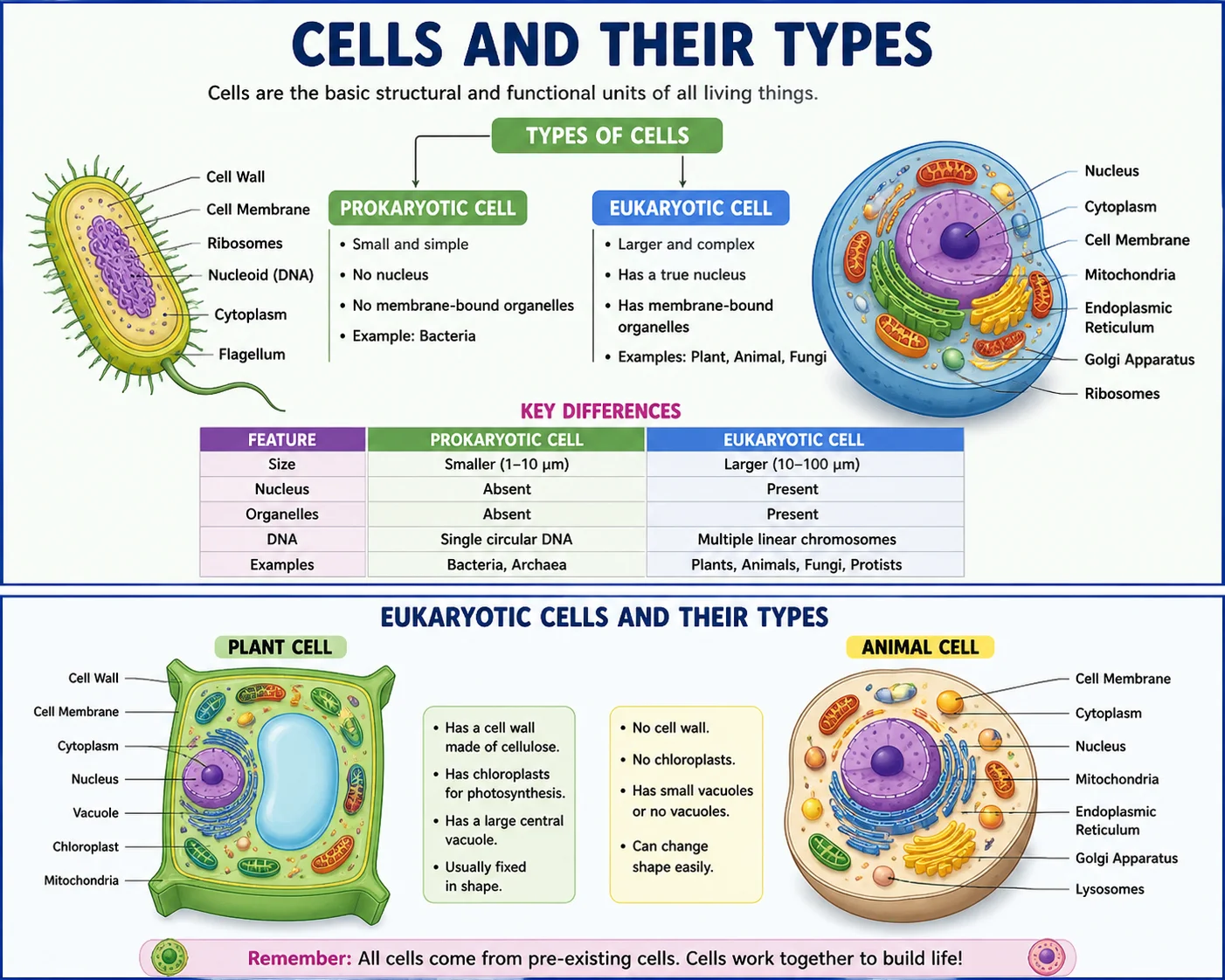
Scientists recognize two main kinds of cells. These kinds differ in structure and complexity.
Prokaryotic Cells
- Prokaryotic cells are very simple.
- They do not contain a nucleus.
- Their genetic material floats freely inside.
- Bacteria contain prokaryotic cells.
- Archaea also contain this cell type.
- These cells reproduce very quickly.
- They also survive in extreme places. For example, some bacteria live in hot springs. Others live deep in ice.
Eukaryotic Cells
- Eukaryotic cells are more complex.
- In contrast to prokaryotic cells, they contain a true nucleus.
- The nucleus holds their genetic material safely.
- Moreover, they contain many organelles.
- Plants, animals, fungi, and protists contain eukaryotic cells.
- These cells perform more complex jobs. Therefore, they support larger organisms.
Structure of a Cell: The Living Micro-City
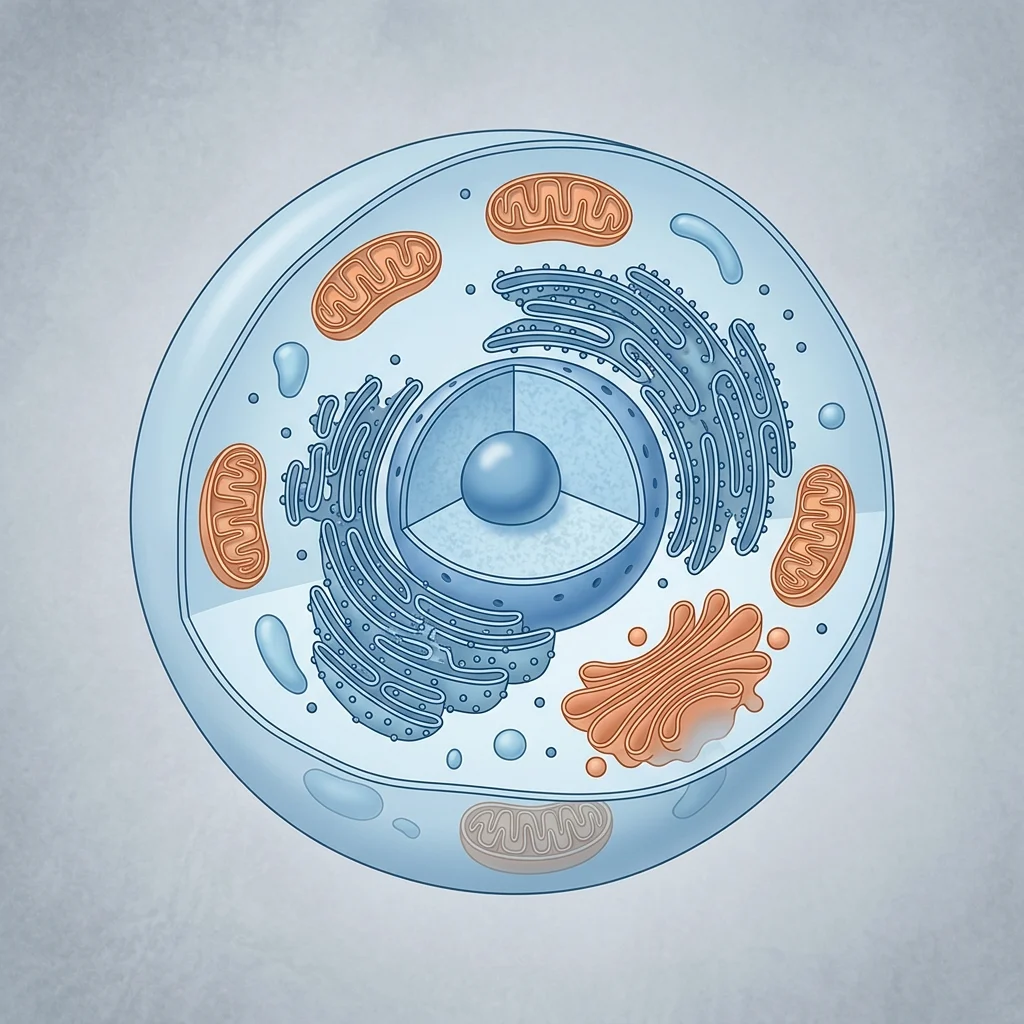
A cell looks tiny, yet it runs like a busy city. Each part plays a role. Some parts protect, some produce energy, and others control activities. Let’s walk through this “micro-city” step by step.
Core Structure of a Cell
1. Cell Membrane (The Security Gate)
- Controls what enters and leaves
- Keeps harmful things out
- Keeps useful materials inside
Think of it as a smart gate with guards
2. Cytoplasm (The Working Space)
- Jelly-like fluid inside the cell
- Holds all cell parts
- Supports chemical reactions
It acts like a busy workshop
3. Nucleus (The Control Center)
- Stores genetic material (DNA)
- Controls cell activities
- Directs growth and division
It works like a brain of the cell
4. Mitochondria (The Power Station)
- Produces energy
- Converts food into usable energy
It acts like a battery or power plant
5. Ribosomes (The Protein Builders)
- Build proteins
- Help in growth and repair
Think of them as tiny factories
6. Endoplasmic Reticulum (Transport Network)
- Moves materials inside the cell
- Rough ER helps protein production
- Smooth ER helps fat production
It works like a road system
7. Golgi Apparatus (Packaging Center)
- Modifies and packs proteins
- Sends them to different parts
It acts like a post office
8. Lysosomes (Cleanup Crew)
- Break waste materials
- Remove damaged parts
They work like recycling units
Major Variations in Cell Structures
Not all cells look or act the same. Let’s explore the key differences.
1. Prokaryotic vs Eukaryotic Cells
Prokaryotic Cells
- Small and simple
- No nucleus
- DNA floats freely
- No membrane-bound organelles
- Example: Bacteria
Eukaryotic Cells
- Larger and complex
- True nucleus present
- Many organelles
- Organized structure
- Examples: Plant and animal cells
Key Comparison
- Prokaryotic = simple and fast
- Eukaryotic = complex and organized
2. Plant Cells vs Animal Cells
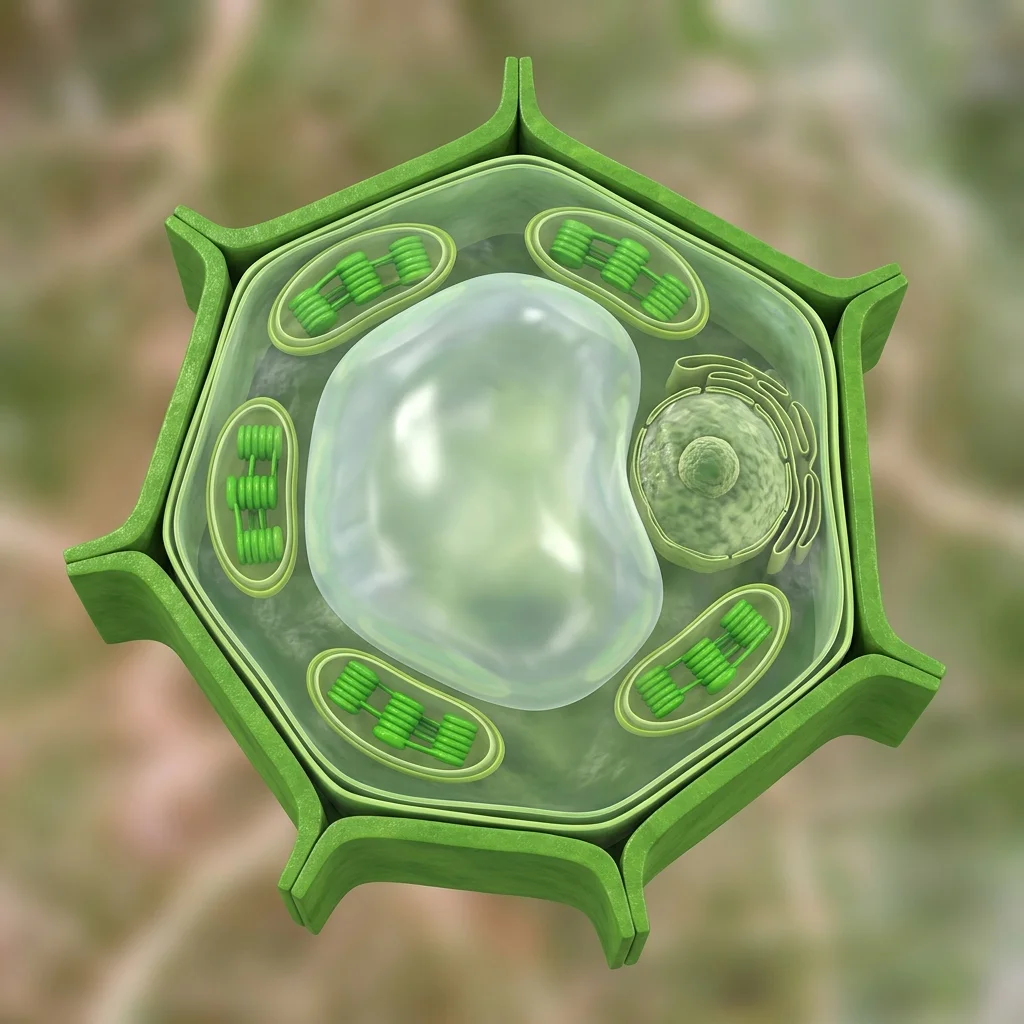
Plant Cells
- Have a cell wall for support
- Contain chloroplasts for photosynthesis
- Have a large central vacuole
- Usually fixed shape
Animal Cells
- No cell wall
- No chloroplasts
- Smaller vacuoles
- Flexible shape
Contrast
- Plant cells = strong and structured
- Animal cells = flexible and dynamic
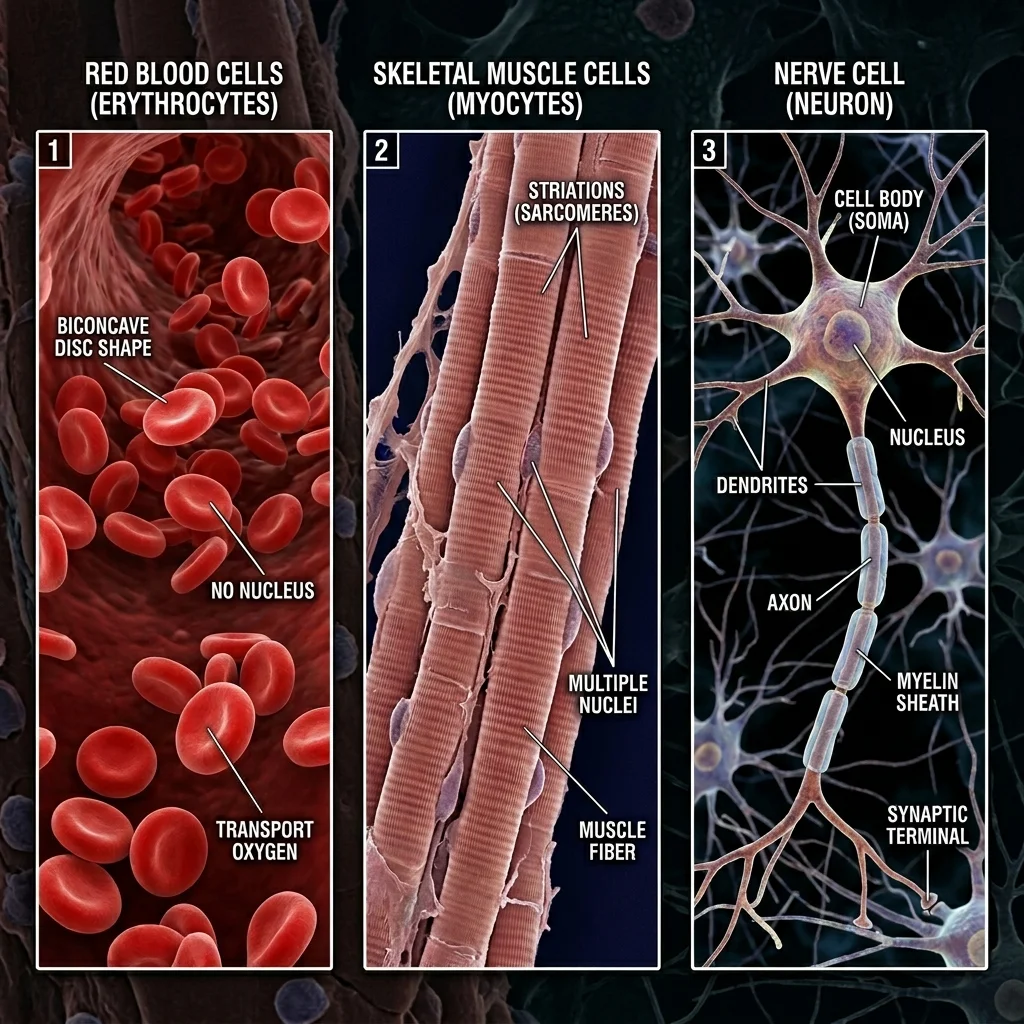
3. Specialized Cells (Form Meets Function)
Different cells adapt to different jobs.
Muscle Cells
- Long and stretchy
- Help in movement
Nerve Cells
- Long with branches
- Send signals quickly
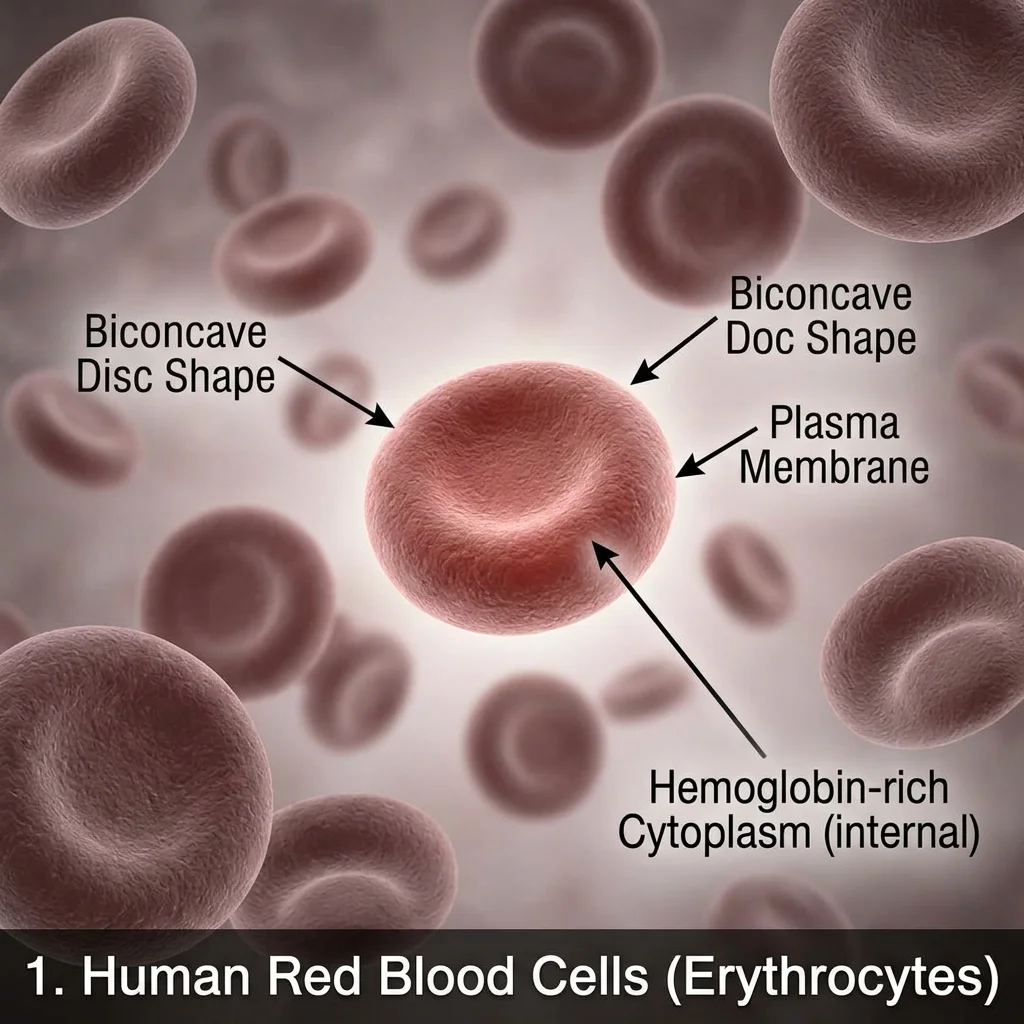
Red Blood Cells
- Round and flat
- Carry oxygen
Insight
Structure changes with function.
Shape follows purpose.
Quick Comparison Snapshot
Size
- Prokaryotic: very small
- Eukaryotic: larger
Complexity
- Prokaryotic: simple
- Eukaryotic: complex
Organelles
- Prokaryotic: absent
- Eukaryotic: present
Big Idea (Easy to Remember)
All cells share a basic plan, but each type adds its own features.
Why These Differences Matter
- Help organisms survive in different environments
- Support different functions like movement, growth, and thinking
- Allow life to exist in many forms
Final Thought
- A cell is not just a tiny unit. It is a complete world.
- Each variation tells a story of adaptation and purpose.
- When you study cells, you study the blueprint of life itself.
How Do Cells Work?
- Cells perform life processes through clear steps.
- First, the cell takes in nutrients. It absorbs these nutrients through the membrane.
- Next, the mitochondria break down the nutrients. This step releases power.
- Then, the cell spends this power. It spends the power to build new parts.
- The cell also repairs damage with this power.
- Finally, the cell removes waste products. It pushes these wastes out through the membrane.
- Moreover, cells follow genetic commands.
- The nucleus sends these orders.
- Therefore, every step happens in sequence. As a result, the organism stays healthy.
Importance of Cells
- Cells matter in many areas of life. In daily life, cells help you move.
- They also let you think and grow.
- In the environment, cells break down dead matter. This process returns nutrients to the soil. Moreover, plant cells produce oxygen.
- Animals need this gas to breathe. In human health, special cells fight germs. However, some germs trick cells and cause sickness.
- Other cells heal cuts and bruises. Therefore, cells keep the entire world running.
- Life depends completely on these tiny units.
Examples of Cells in Real Life
- You find cells everywhere. Your skin contains millions of skin cells.
- These cells protect your body.
- An onion contains plant cells. These cells give the onion its layers.
- A pond contains amoebas. Each amoeba is one single cell.
- Yeast contains fungal cells.
- Bakers use yeast to make bread rise.
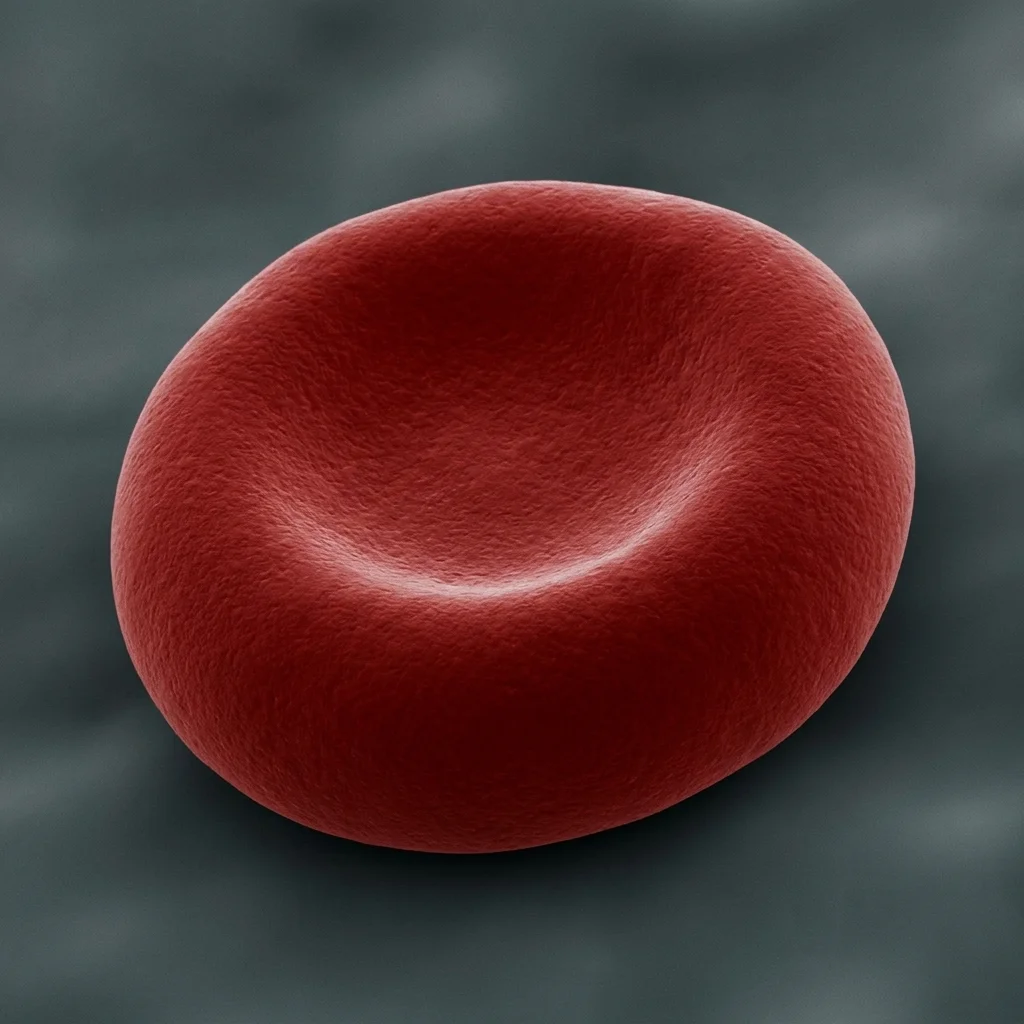
- Moreover, your blood contains red blood cells. These cells carry oxygen to every part of your body. Therefore, cells surround you every day.
Cells for Different Age Groups
How Kids Should Find Cells
- Imagine your body as a giant Lego castle. Each Lego brick represents one cell. Just as bricks build the castle, cells build your body.
- Some cells look like tiny balls. Others resemble long strings.
- Moreover, cells work like tiny workers. They build, clean, and fix your body every day.
- Therefore, you grow bigger because your cells grow and multiply.
For Students
- Cells form the foundation of biology.
- Every organism contains cells.
- These cells contain organelles. Each organelle performs a specific function. For example, ribosomes build proteins. The endoplasmic reticulum transports these molecules.
- Moreover, the Golgi body packages them for delivery.
- Therefore, cells operate like complex cities. Each part plays an important role.
For Advanced Learners
- Cells exhibit highly organized biochemistry.
- Eukaryotic cells contain membrane-bound organelles. These include mitochondria, chloroplasts, and lysosomes.
- Mitochondria perform cellular respiration. This process converts glucose into ATP.
- Chloroplasts perform photosynthesis in plant cells. This process converts light energy into chemical energy.
- Moreover, lysosomes digest waste materials.
- The cytoskeleton maintains cell shape. It also enables cell movement. Therefore, cellular processes involve intricate signaling pathways.
- These routes regulate gene expression and metabolism.
Common Misconceptions About Cells
Many people hold wrong ideas about cells. Here are the facts.
Misconception: All cells look the same.
Truth: Cells come in many shapes and sizes. Nerve cells look like long wires. Red blood cells resemble flat disks.
Misconception: Only animals contain cells.
Truth: All living things hold cells. Plants, bacteria, and fungi all contain cells.
Misconception: Cells stay still.
Truth: Many cells move actively. White blood cells chase germs. Sperm cells swim to reach eggs.
Misconception: You see cells with your eyes.
Truth: Most cells are microscopic. You need a microscope to see them clearly.
Difference Between Cells and Related Concepts
Cells vs. Molecules
Molecules are tiny groups of atoms. Cells are much larger. Cells contain thousands of molecules. Moreover, cells live. In contrast, molecules do not live.
Cells vs. Tissues
Tissues form groups of cells. These cells work together. For example, muscle tissue contains many muscle cells. Therefore, tissues are bigger than single cells.
Cells vs. Organs
Organs hold many tissues. These tissues contain many cells. For example, the heart contains muscle tissue, blood tissue, and nerve tissue. Therefore, organs are much more complex than single cells.
Applications of Cells
Medicine
Doctors study cells to fight diseases. They use stem cells to repair damaged organs. Moreover, scientists grow cells in labs. They test new medicines on these cells.
Environment
Scientists use bacteria cells to clean oil spills. These cells break down the oil. Moreover, plant cells produce oxygen. This gas supports all animal life.
Technology
Engineers build tiny robots using cell knowledge. These robots deliver medicine inside the body. Moreover, biologists use cells to grow meat in labs.
Daily Life
Chefs use yeast cells to bake bread. These cells create bubbles. The bubbles make the bread soft. Moreover, farmers use bacteria cells to make yogurt. Therefore, cells help us every day.
Interesting Facts About Cells
- The human body contains about 37 trillion cells. Scientists continue counting them.
- The largest cell in the world is an ostrich egg. You see this cell with your eyes.
- Bacteria divide every 20 minutes. One bacterium becomes millions in one day.
- Your body replaces about 330 billion cells every day. This happens while you sleep and eat.
- Nerve cells grow one meter long. These cells run from your spine to your toes.
- Plant cells contain chloroplasts. These green parts turn sunlight into food.
FAQs
Q1: What is a cell?
A cell is the smallest unit of life. All living things contain cells.
Q2: How many types of cells exist?
Scientists recognize two main types: prokaryotic cells and eukaryotic cells.
Q3: Do all cells look the same?
No. Cells come in many shapes and sizes. Each shape matches its job.
Q4: Can cells live alone?
Yes. Some organisms contain only one cell. Scientists call them single-celled organisms.
Q5: Where do cells get energy?
Cells get energy from food. Mitochondria break down the nutrients. This process releases power.
How People Search for Cells
People use many search queries to learn about cells. Here are common ones:
- what is a cell
- simple explanation of cells
- examples of cells
- types of cells
- how do cells work
- importance of cells
- cells for kids
- prokaryotic vs eukaryotic cells
- cell structure and function
- real life examples of cells
Conclusion
Cells form the foundation of all life. Every plant, animal, and person contains these tiny units. Moreover, cells come in two main types. Prokaryotic cells are simple. Eukaryotic cells are complex. Each cell performs special jobs. These jobs keep organisms alive and healthy. Therefore, understanding cells helps you understand yourself. It also helps you understand the world around you. Cells build your body. They also heal your wounds. Moreover, they produce the oxygen you breathe. In conclusion, cells matter more than most people realize. So keep exploring biology. Keep asking questions. The tiny world of cells holds endless wonders. Therefore, learning about cells opens the door to understanding life itself. Find more here.
Hi All! I’m Imran Abbas. I’m a Ph.D (scholar) in Structural Chemistry and I work in a number of domains like Bioinformatics, Literature, politics, sports and I’m a polyglot as well. I respect all irrespective of their ethnicity, locality and color. I’m always ready to learn new ideas and travel to different parts of the world.